Westlake is a small town with a complicated balance sheet. One municipality, split across Tarrant and Denton counties, with three different school districts depending on which side of town you live on. Drive from Solana over to Entrada and you pass more corporate square footage than most towns our size
Keller is the kind of community where families can build a strong life while also accumulating a lot of financial complexity. The U.S. Census Bureau reports a median household income of $174,950 for Keller, and more than one-quarter of residents are under age 18. That combination often means families are
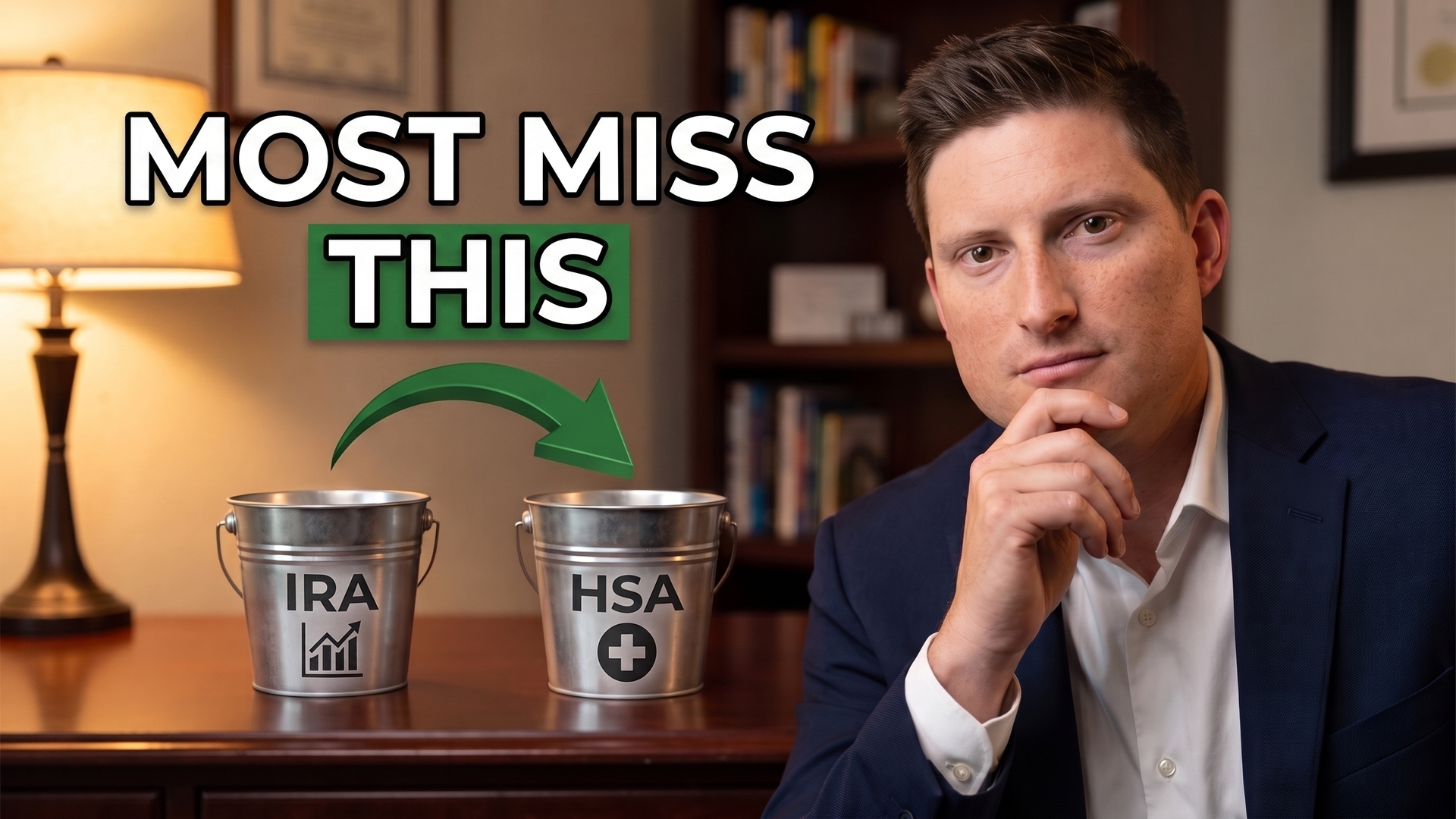
Most people think of an HSA as a simple place to save money for medical expenses. You contribute cash, potentially receive a tax deduction, invest the balance, and eventually withdraw the money tax-free when you use it for qualified medical expenses. There is another HSA strategy that far fewer people
For many professionals in Southlake, compensation goes well beyond a traditional salary and annual bonus. Restricted stock units (RSUs), stock options, employee stock purchase plans, deferred compensation, and other forms of equity compensation can become a significant part of your overall financial picture. These benefits can be valuable, but they
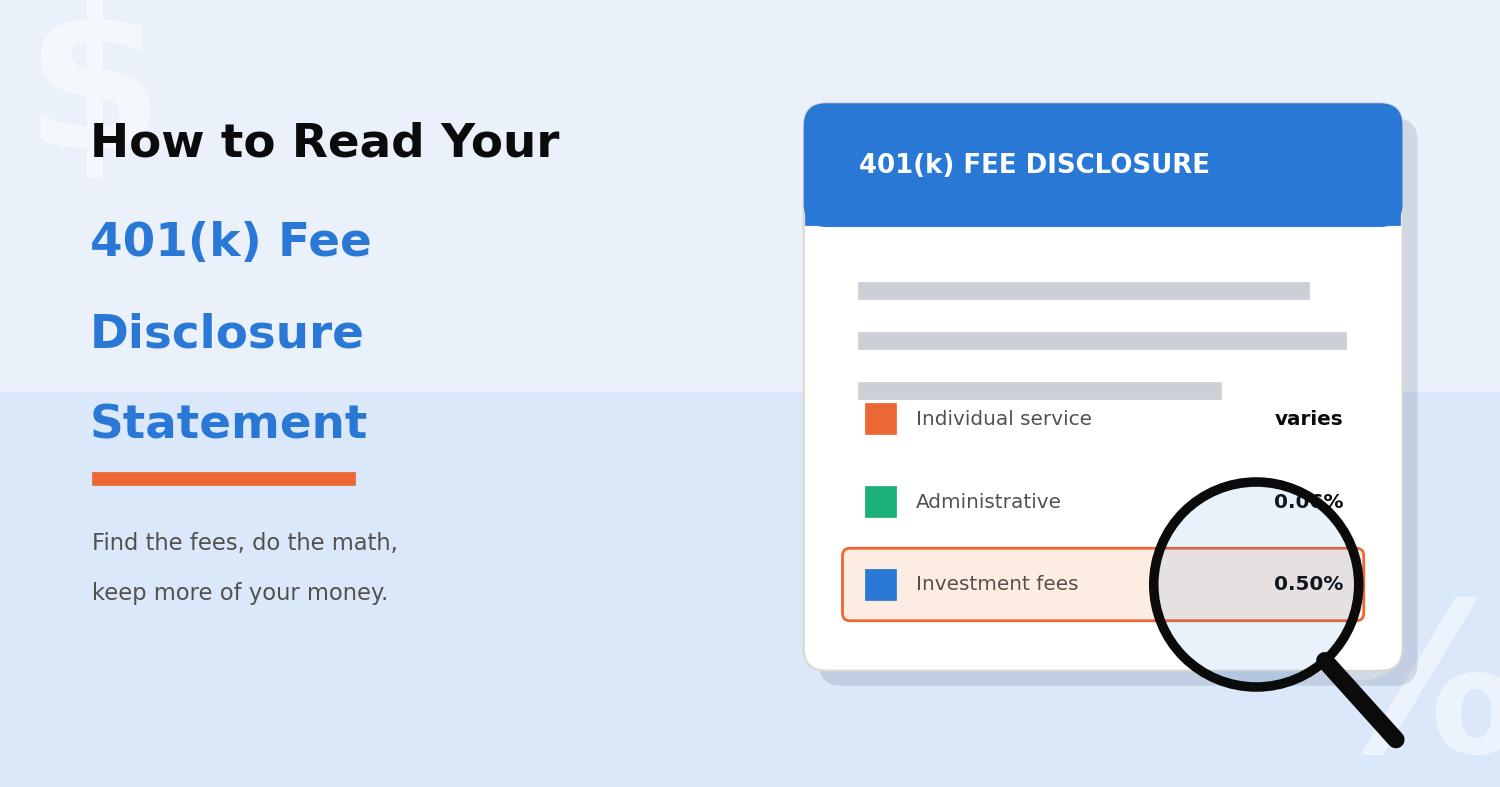
Every year, your retirement plan sends you a document that most people file away without a second look. It carries a dull title, runs several pages, and lists numbers in small type. That document is your 401(k) fee disclosure statement, and it holds one of the most important facts about
Many people reach tax season, review their retirement savings, and realize they did not fully fund an IRA in a previous year. That often leads to an important question: Can you make an IRA contribution now to replace the amount you missed? In most cases, no. The IRS does not
Ask any advisor in the DFW metroplex whether they put clients first, and you already know the answer. Of course they do. It’s a fair question, and it’s also the wrong one. The better question — the one almost nobody thinks to ask over that first cup of coffee —
High income does not always create financial confidence. A surprising number of successful business owners and high-income families still feel like they are behind, even when they earn good money, save consistently, and have accumulated meaningful assets. That feeling is more common than many people realize. In 2025, one survey
If you own rental or commercial property in Dallas, Fort Worth, or one of the surrounding suburbs, depreciation is probably already part of your annual tax picture. Whether it’s a duplex in Arlington, a small apartment building in Plano, or a warehouse in Grand Prairie, most owners don’t realize how
Changing jobs is exciting, but it also comes with a long checklist. Between updating your benefits, learning a new role, and adjusting to a different routine, it’s easy to forget about the retirement savings you built with your previous employer. One of the most common questions we hear is, “What