
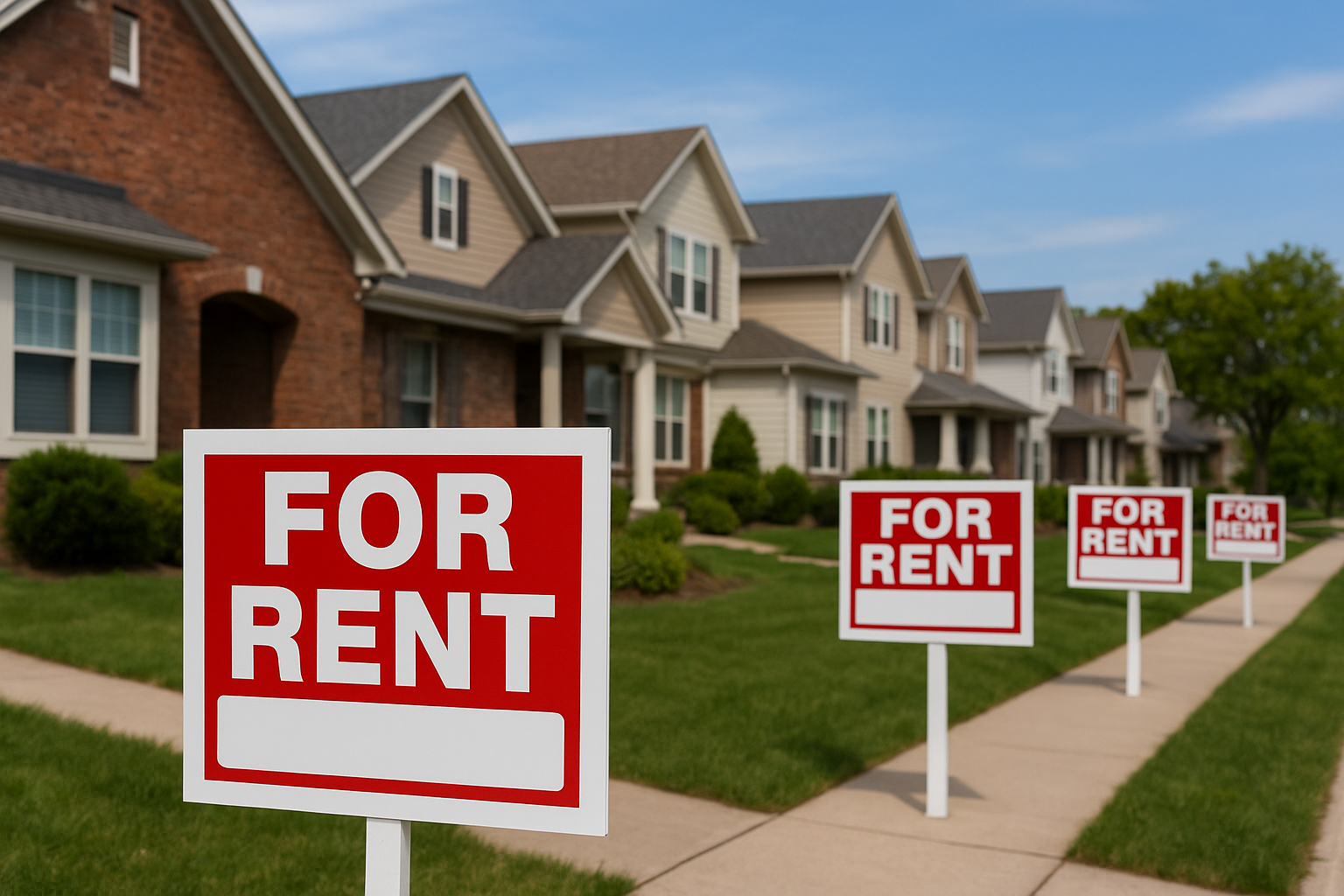
One lesser-known tax strategy allows you to rent out your personal residence without reporting the income. Commonly called the “Augusta Rule” or “Masters Exemption”, this provision lets you rent your home for a limited number of days each year without recognizing the rental income on your individual tax return. Section 280A introduced this rule after homeowners in Augusta, Georgia began renting their homes to visitors during the Masters Tournament in the 1970s. Today, homeowners throughout the United States can benefit from it.
2025 DFW Events: Golden Games & Special Olympics
With major athletic events like the 2025 Special Olympics and 2025 Dallas Golden games bringing major events, visitors, and media to the Dallas–Fort Worth region this year, the demand for short-term rentals is expected to surge. For Irving homeowners, especially those near the Toyota Music Factory, major hotels, DART lines, or venues hosting Olympic-related activities, this creates a rare opportunity to charge premium rental rates tax-free. Under the Augusta Rule, you can rent out your home for up to 14 days per year and completely exclude that income from taxation. The days do not need to be consecutive. If you rent the home for 15 days or more, the IRS will classify you as a landlord, and all the rental income becomes taxable.
How Business Owners Can Rent to Their Own Business
This strategy becomes especially valuable for homeowners who also operate a business. A business owner can rent the home to the business for legitimate business purposes. The business receives a rental expense deduction, while the homeowner does not need to report the rental income personally as long as the total rental days stay within the 14 day limit. If the rental exceeds 14 days, the homeowner must report the income.
Strict Rules: The 14-Day Limit & Fair Market Value
The rental rate must reflect fair market value for a comparable property at that time. For example, if you live in Irving Texas near the Toyota Music Factory or other event venues, your home might rent for $150 per night during a normal week. On concert weekends or major local events, the same home might rent for $500 per night. As long as your prices align with local market rates, you can meet the requirements of this tax exemption.
Documentation Requirements for Your CPA
You must maintain clear records of when you rented the residence and the rental amount to show that you charged a fair price and stayed within the 14 day limit. If your business takes a rental expense deduction for using your home, document the purpose of the meeting or event and who attended. Corporate minutes, meeting notes, or invoices for use of the space help support the legitimacy of the business expense.
Business events that could justify renting the home include board meetings, shareholder meetings, tax planning sessions, strategic planning discussions, or company gatherings. Just as you would rent a venue that includes tables, chairs, Wi Fi, or refreshments, the total cost of hosting the event in your home may include similar services depending on the size of the space and number of attendees. The business must operate as a separate entity with employees or clients. A sole proprietor with no employees or clients would struggle to justify renting a home to the business because you cannot rent your home to yourself.
As with any tax planning strategy, consult a CPA or tax advisor to ensure you follow IRS rules and maximize your available tax benefits.
Want to talk to a financial advisor? Contact us for a free discovery call.