Most people give to charity from their checking account. They write a check, they claim a deduction if they itemize, and they move on. It works, but it leaves money on the table. A donor-advised fund, often shortened to DAF, changes the math. It lets you give the same amount
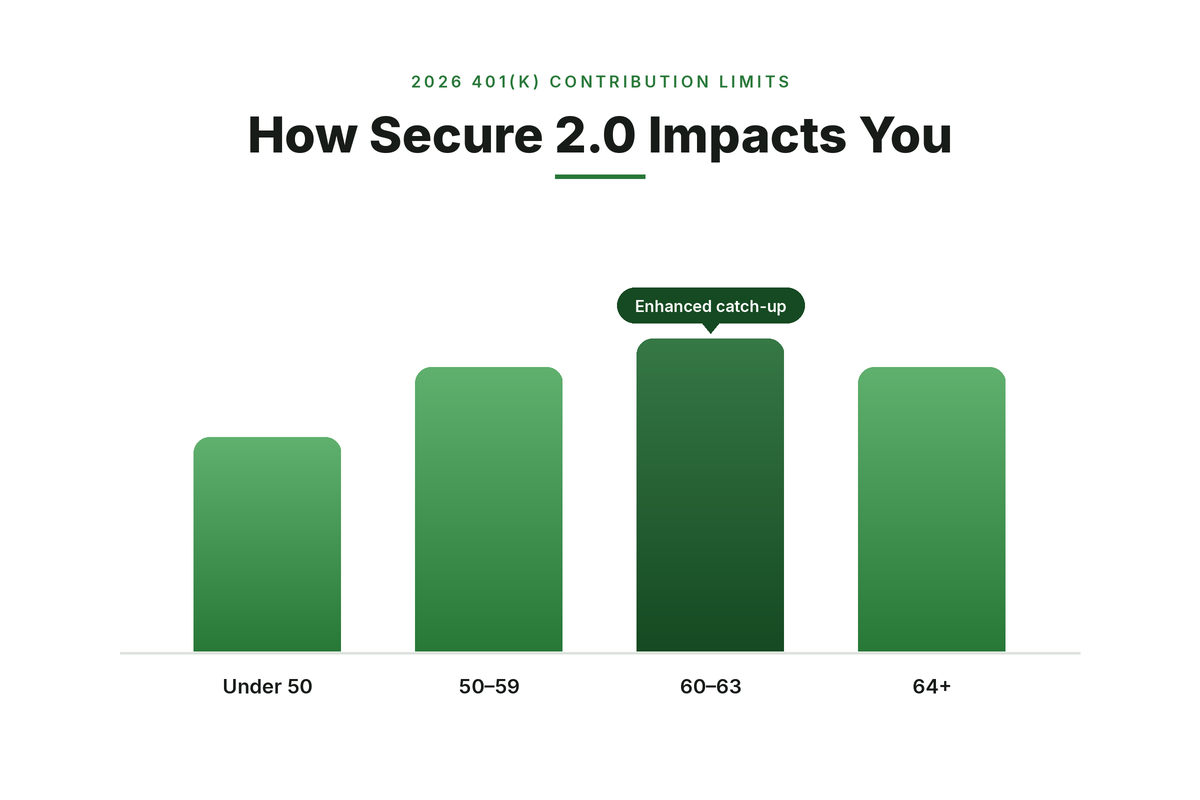
The SECURE 2.0 Act is one of the most significant retirement planning reforms in years. While the legislation was originally signed into law in late 2022, many of its most impactful provisions became effective during 2025 and 2026. For retirement savers, business owners, and employees participating in workplace retirement plans,
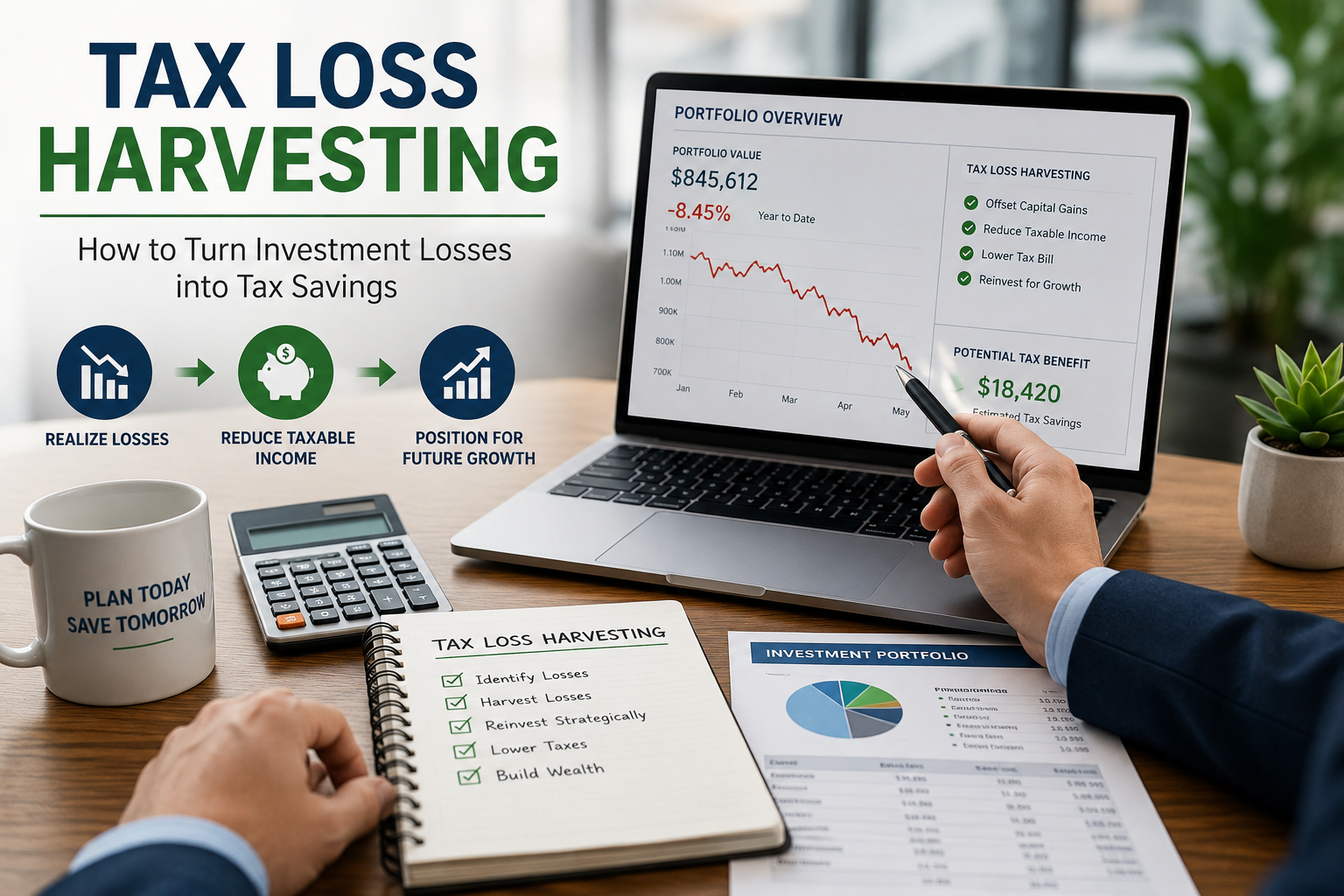
Market volatility is rarely welcome, but for disciplined investors it does present an opportunity that is too often overlooked. Tax loss harvesting—the deliberate practice of realizing investment losses to offset taxable gains—can meaningfully improve after-tax returns without altering the long-term direction of a portfolio. For high-net-worth households, where capital gains
Running a business in Grapevine brings opportunity and complexity. Smart tax planning helps you keep more of what you earn, manage cash flow with confidence, and make better long term decisions. The key is to stay proactive, not reactive. Below is quick reference table and a practical guide to help
If you live in Coppell and you’re getting paid in RSUs or stock options, your tax situation is not simple anymore. It might look simple on paper. Salary, bonus, equity. But once you actually break it down, you’re dealing with multiple types of income, different tax treatments, and timing decisions
One of my clients got an email from his accountant. No call. No heads up. Just an email that said he owed $300,000 in taxes and where to send the check. He had a great year. Business was up. Income was strong. By every measure, it was a win. The
While most business owners are aware of standard income and capital gains taxes, there are actually several taxes business owners pay that fly under the radar. But there’s another tax quietly sitting in the background that catches a lot of successful people by surprise. It’s called the Net Investment Income
If you ask most business owners what taxes they pay, the answer is usually the same: And while those are certainly real, they are only part of the picture. In reality, successful business owners face six different taxes that can erode their wealth over time. Some show up every year.
Most business owners worry about the wrong taxes. They spend time trying to minimize income tax.They ask their CPA about capital gains rates.They worry about estate taxes decades down the road. All of those taxes matter. But the biggest tax I see business owners pay isn’t on their tax return.
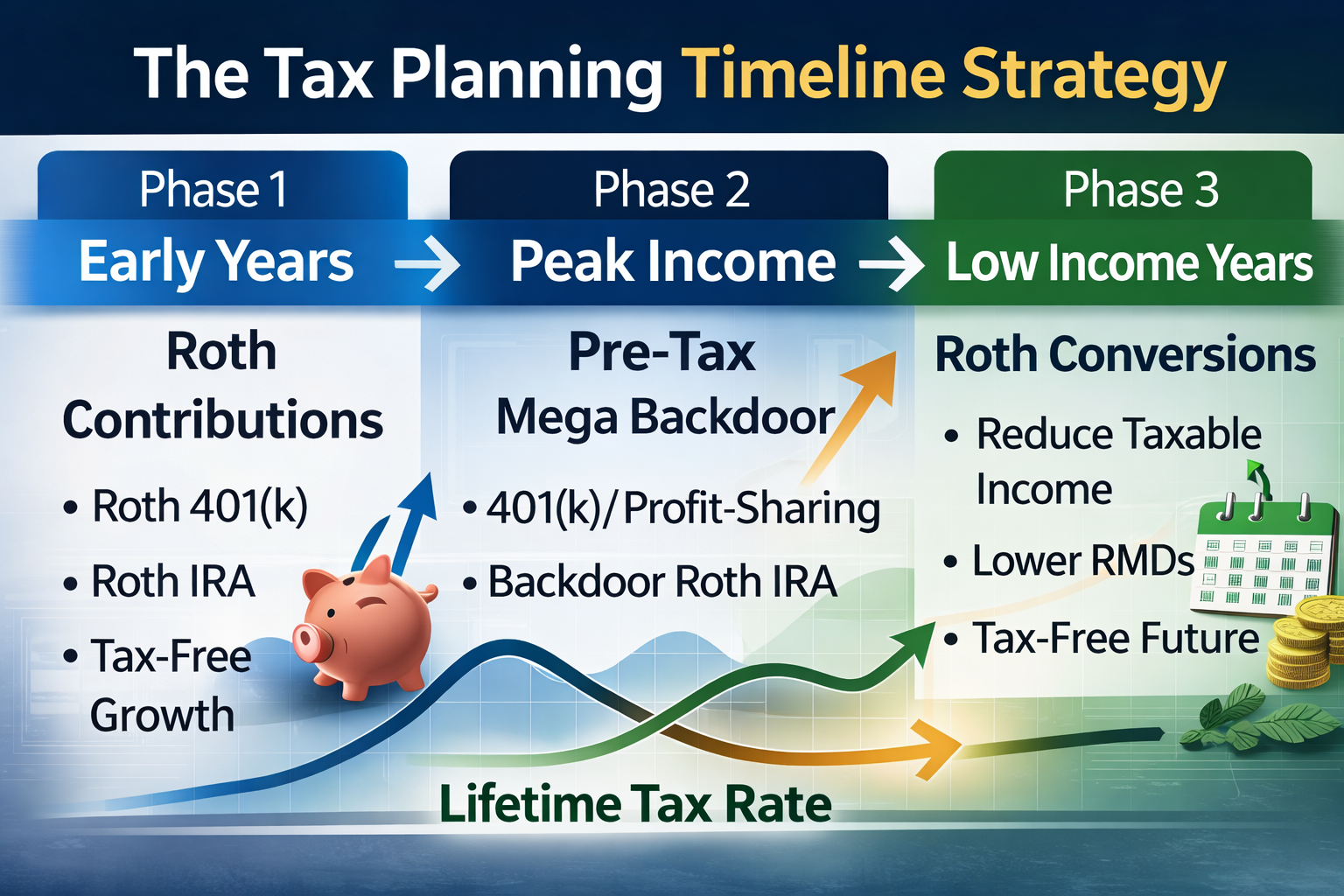
Most people obsess over this year’s tax bill. That’s tactical. High-level tax planning is strategic. The real objective is not minimizing taxes this year. It is minimizing your lifetime effective tax rate. When you zoom out and coordinate contributions, deductions, and conversions across decades, the math becomes powerful. Done properly,